
Solutions
Clarity, in the form your decision needs.
One engine turns fragmented medical records into
decision-ready data. Three products deliver it as answers to the question in front of you, as a complete patient history, or as structured data your systems can rely on.
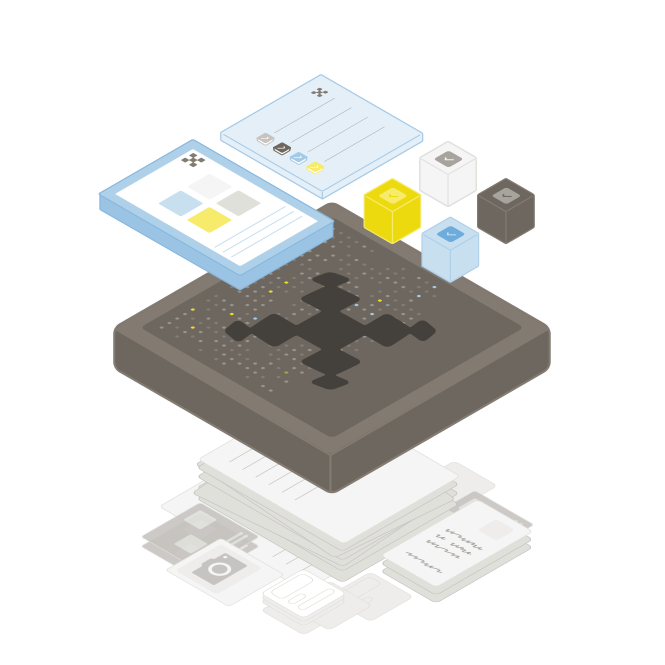
One Engine
Three outputs. One Clinical Clarity Engine.
Decision-Ready Checklists
Answers, not summaries.
Automated Patient History
Every record, one history.
Trusted across healthcare


See all three, built on one record.
A 30-minute demo with our team. No prep required. Test it out on your own data.
Frequently asked.
What is the difference between the three products?
All three run on the same Clinical Clarity Engine, and the difference is the output. Decision-Ready Checklists return answers to the specific questions a workflow asks. Automated Patient History returns the complete, organized record. Evidence Grade Data returns structured data elements for your systems, each traceable to its source document and page.
Do the products work together?
Yes. All three run on the same Clinical Clarity Engine and are built on one record. Decision-Ready Checklists are built from Automated Patient Histories and backed by Evidence Grade Data. You can start with one and add the others as your needs grow.
Where do the records come from?
Records enter the engine through three paths, and you can use one or any combination. Treatment covers provider-authorized retrieval for care delivery, through HIEs, QHINs, and TEFCA. IAS (Individual Access Services) covers records the individual authorizes, retrieved through TEFCA and other networks. BYOD covers records your organization already has, like PDFs, scanned documents, referrals, and faxes.
Which product should we start with?
If your team asks the same clinical questions on every case, start with Decision-Ready Checklists. If your team rebuilds the patient story before every case, start with Automated Patient History. If your data, quality, or research teams need evidence they can defend downstream, start with Evidence Grade Data. Not sure? Request a demo and test it on your own data.